موضوعات
آموزش و پرورش
ادبیات و زبان
پزشکی، دندانپزشکی و داروسازی
تاریخ و جغرافیا
داستان و رمان
دیگر
دین و فلسفه
روانشناسی
ریاضیات و آمار
سلامتی، تناسب اندام و رژیم غذایی
شیمی و پلیمر
علوم اجتماعی و حقوق
علوم زیستی و بیوتکنولوژی
فیزیک و نجوم
کامپیوتر و اینترنت
کتابهای کودکان و داستان
کسب و کار و اقتصاد
کشاورزی و دامپزشکی و غذا
معماری
مهندسی و فناوری
هنر و تئاتر
محصولات





Magnetophotonics: From Theory to Applications (Springer Series in Materials Science, 178) 2013th Edition - Original PDF
نویسندگان: خلاصه: This book merges theoretical and experimental works initiated in 1997 from consideration of periodical artificial dielectric structures comprising magneto-optical materials. Modern advances in magnetophotonics are discussed giving theoretical analyses and demonstrations of the consequences of light interaction with non-reciprocal media of various designs. This first collection of foundational works is devoted to light-to-artificial magnetic matter phenomena and related applications. The subject covers the physical background and the continuing research in the field of magnetophotonics.
Plasmonics: Principles and Applications - Original PDF
نویسندگان: خلاصه: The title of this book, Plasmonics: Principles and Applications, encompasses theory, technical issues, and practical applications which are of interest for diverse classes of the plasmonics. The book is a collection of the contemporary researches and developments in the area of plasmonics technology. It consists of 21 chapters that focus on interesting topics of modeling and computational methods, plasmonic structures for light transmission, focusing, and guiding, emerging concepts, and applications.

Zintl Phases: Principles and Recent Developments - PDF
نویسندگان: خلاصه: Gordon J. Miller, Michael W. Schmidt, Fei Wang, Tae-Soo You: Quantitative Advances in the Zintl-Klemm Formalism Jürgen Evers: High Pressure Investigations on AIBIII Zintl Compounds (AI = Li to Cs; BIII = Al to Tl) up to 30 GPa Andrei Shevelkov, Kirill Kovnir: Zintl Clathrates Ulrich Häussermann, Verina F. Kranak, Kati Puhakainen: Hydrogenous Zintl Phases: Interstitial versus Polyanionic Hydrides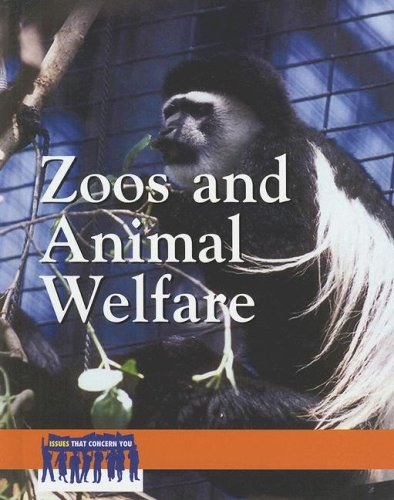
Zoos and Animal Welfare (Issues That Concern You) - PDF
نویسندگان: خلاصه: Z oos have evolved over time from symbols of power and pres-tige of the early rulers, to institutions for education andresearch, to powerful businesses, and ultimately to a beacon ofhope in a world facing alarming rates of extinction. Yet to some,zoos have always been and continue to be prisons where other-wise healthy animals waste away inside depressing enclosures, fac-ing a lifetime of neglect. These critics will need a lot of convinc-ing to believe that zoos can be beneficial to animals. People canlearn more about the fears of critics and the future of zoos by trac-ing their evolution over time.History of ZoosWild animals have been displayed in captivity for thousands ofyears. According to most sources the first known zoos were largecollections of animals assembled in Egypt around 2500 B.C. Exoticwild animals were captured on expeditions, then displayed in cap-tivity by early rulers as symbols of wealth and power. In 1500 B.C.Queen Hatshepsut of Egypt built a zoo, and about five hundredyears later the Chinese emperor Wen Wang constructed theGarden of Intelligence—an enormous zoo that sprawled over 1,500acres (607ha). Later many smaller zoos were founded by rulers innorthern Africa, India, and China to show off the strength andriches of the current regime.Studies also show that the Romans kept wild animals in cap-tivity and sent them into battle in bloody public spectacles. Lions,bears, elephants, and other creatures were forced to fight to thedeath in public arenas to the cheers and shouts of onlookers.The birth of the modern zoo did not happen until 1828, whenthe London Zoo dedicated itself to the study of captive wildlifein London. The success of the London Zoo set off a wave of sim-ilar establishments, including the first zoological garden in7INTRODUCTIONMelbourne, Australia, and the New York City Zoo. In 1889 theU.S. Congress established the National Zoo for the purpose ofbreeding native wildlife
آیا کتاب مورد نظر هنوز بر روی سایت قرار نگرفته است؟ جای نگرانی نیست! کافی است بر روی گزینه سفارش کتاب کلیک کرده و درخواست خود را ثبت کنید. در کمتر از چند ساعت کتاب شما را آماده خواهیم کرد.