Chapter 1 Processes In finance one has to deal with a series of prices that are of a random nature. The problem of the trader – or of the investor – is to extract the signal buried in noise – if it exists – that is, to identify the stochastic process that best identifies it. In finance, we are dealing with series of prices (time series) recorded at certain instants and referred to certain assets (stocks, oil, bonds, indices, etc.). 1 Prices are normally recorded at regular intervals (15 min, 3 h, one 1 day, 1 week, etc.). If we denote by z the price of the asset under observation and by t the time at which such a price was observed, we can formally represent a time series in this way: zt; zt�1; zt�2; zt�3; zt�4 . . . It is assumed that this set of prices, to be treated for our purposes (e.g., to make predictions about future prices), follows a law of a known form. These known forms (or models or processes) are called, for example, AR, MA, ARMA, and ARIMA (we will go back to them). Such models are not deterministic. We will see in fact that a price series may be represented as in Fig. 1.1, that is, as if there was a signal (the continuous line) buried within noise, and one of our main goals will exactly be to free the signal from the noise. This means that the models we will use are very different from those described by the equations – for example – of classical mechanics, by which, given the initial position and velocity of a particle, we are able to determine exactly where the particle will be and what speed it will have at any future moment. The models that we use here are stochastic, or probabilistic, and in essence they provide us with the probability that at some future moment the price will range between two limits, one higher and one lower, according to certain criteria that we will specify.
چکیده فارسی
فرآیندهای فصل 1 در امور مالی باید با مجموعه ای از قیمت ها سر و کار داشت که ماهیت تصادفی دارند. مشکل معامله گر – یا سرمایه گذار – استخراج سیگنال مدفون در نویز – در صورت وجود – است، یعنی شناسایی فرآیند تصادفی که به بهترین شکل آن را شناسایی می کند. در امور مالی، ما با مجموعه ای از قیمت ها (سری های زمانی) سروکار داریم که در لحظه های خاص ثبت می شوند و به دارایی های خاصی (سهام، نفت، اوراق قرضه، شاخص ها و غیره) اشاره می کنند. 1 قیمت ها معمولاً در فواصل منظم (15 دقیقه، 3 ساعت، یک روز 1، 1 هفته و غیره) ثبت می شوند. اگر با z قیمت دارایی تحت مشاهده و با t زمان مشاهده چنین قیمتی را نشان دهیم، می توانیم به طور رسمی یک سری زمانی را به این صورت نمایش دهیم: zt; zt 1; zt 2; zt 3; zt 4 . . . فرض بر این است که این مجموعه از قیمتها، برای اهداف ما (مثلاً برای پیشبینی قیمتهای آینده)، از قانونی به شکل شناخته شده پیروی میکند. این اشکال شناخته شده (یا مدل ها یا فرآیندها) به عنوان مثال AR، MA، ARMA و ARIMA نامیده می شوند (به آنها باز خواهیم گشت). چنین مدل هایی قطعی نیستند. در واقع خواهیم دید که یک سری قیمت ممکن است مانند شکل 1.1 نشان داده شود، یعنی گویی یک سیگنال (خط پیوسته) در نویز مدفون شده است، و یکی از اهداف اصلی ما دقیقاً آزاد کردن سیگنال از سر و صدا این بدان معنی است که مدل هایی که ما استفاده خواهیم کرد بسیار متفاوت از مدل هایی هستند که در معادلات - برای مثال - مکانیک کلاسیک توضیح داده شده است، که با توجه به موقعیت اولیه و سرعت یک ذره، می توانیم دقیقاً تعیین کنیم که ذره کجا خواهد بود و چه سرعتی در هر لحظه آینده خواهد داشت. مدلهایی که ما در اینجا استفاده میکنیم تصادفی یا احتمالی هستند و در اصل این احتمال را به ما میدهند که در لحظهای آینده قیمت بین دو حد، یکی بالاتر و دیگری پایینتر، با توجه به معیارهای خاصی که ما مشخص خواهیم کرد، در نوسان باشد.< /p>
ادامه ...
بستن ...
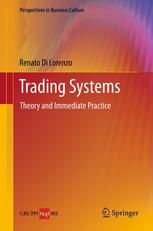
Author(s): Renato Di Lorenzo (auth.)
Series: Perspectives in Business Culture
Publisher: Springer-Verlag Mailand, Year: 2013
ISBN: 978-88-470-2705-3,978-88-470-2706-0
ادامه ...
بستن ...








![Managerial Economics and Strategy (4th Edition) [Instructor's Manual + PowerPoint Slides + Test Bank] - Word + PowerPoints](https://dl.libsan.ir/images/1/12/Managerial Economics and Strategy_6a76db9505691.jpg "Managerial Economics and Strategy (4th Edition) [Instructor's Manual + PowerPoint Slides + Test Bank] - Word + PowerPoints")