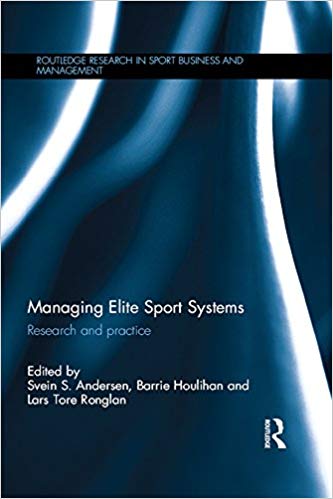
Over the last twenty years or so there has been a sharp increase in interest from national sports federations and governments in the development of effective elite sport systems, particularly focused on achieving success in the summer and winter Olympic Games. Many countries now have publicly funded elite sports strategies which provide specialist facilities and support staff and often provide direct financial support for athletes. These developments have stimulated academic interest in describing the elite sport systems, analysing the processes by which policy is established and evaluating the impact of these policies on elite athlete success. Far less attention has been placed on the operation of the elite sports systems and on how the system interfaces with the athlete. The aim of this book is to refocus attention on the management and operation of systems designed to deliver elite success.
The book draws on the theoretical literature in implementation, organisation theory, leadership and complexity. This provides an initial context for analysis and a stimulus for theory development around key questions such as:
- How do coaches manage their relationship with athletes?
- How does talent identification operate in practice?
- Do coaches fulfil the role of gatekeeper between the athlete and other elements of the sports system e.g. sports science support?
- How do managers, support staff and athletes interpret the expectations placed on them?
The first part of the book focuses on aspects of the effectiveness of elite sports systems and the second explores aspects of systems operation focused on the interface between the athlete and the sport development system, and cross-cutting themes within the book include the management of talent identification and coach development. This is illuminating reading for any student, researcher or practitioner working in sport development, sport management or sports coaching.
چکیده فارسی
در حدود بیست سال گذشته، علاقه شدید فدراسیونهای ورزشی ملی و دولتها به توسعه سیستمهای ورزشی نخبگان مؤثر، به ویژه بر کسب موفقیت در بازیهای المپیک تابستانی و زمستانی، افزایش یافته است. اکنون بسیاری از کشورها دارای بودجه عمومی استراتژی های ورزشی نخبگان هستند که امکانات تخصصی و کارکنان پشتیبانی را فراهم می کند و اغلب حمایت مالی مستقیم برای ورزشکاران ارائه می دهد. این پیشرفتها علاقه دانشگاهی را در توصیف سیستمهای ورزشی نخبه، تحلیل فرآیندهایی که توسط آن خطمشی ایجاد میشود و ارزیابی تأثیر این سیاستها بر موفقیت ورزشکاران نخبه برانگیخته است. توجه کمتری به عملکرد سیستم های ورزشی نخبه و نحوه ارتباط سیستم با ورزشکار شده است. هدف این کتاب تمرکز مجدد بر مدیریت و عملکرد سیستمهایی است که برای موفقیت نخبگان طراحی شدهاند.
این کتاب از ادبیات نظری در پیاده سازی، تئوری سازمان، رهبری و پیچیدگی استفاده می کند. این یک زمینه اولیه برای تجزیه و تحلیل و محرکی برای توسعه نظریه در مورد سؤالات کلیدی مانند:
فراهم می کند
- مربیان چگونه روابط خود را با ورزشکاران مدیریت می کنند؟
- شناسایی استعداد در عمل چگونه عمل می کند؟
- آیا مربیان نقش دروازه بان بین ورزشکار و سایر عناصر سیستم ورزشی را ایفا می کنند. حمایت از علوم ورزشی؟
- مدیران، کارکنان پشتیبانی و ورزشکاران چگونه انتظاراتی را که از خود دارند تفسیر می کنند؟
بخش اول کتاب بر جنبههای اثربخشی سیستمهای ورزشی نخبه تمرکز دارد و بخش دوم جنبههایی از عملکرد سیستمها را بررسی میکند که بر رابط بین ورزشکار و سیستم توسعه ورزش متمرکز شدهاند، و موضوعات بینبخشی در کتاب شامل موارد زیر است. مدیریت استعدادیابی و توسعه مربی این خواندن برای هر دانش آموز، محقق یا تمرین کننده ای است که در توسعه ورزش، مدیریت ورزشی یا مربیگری ورزشی کار می کند.
ادامه ...
بستن ...
Ebook details:
عنوان: Managing Elite Sport Systems Research and Practice (9781138633575)
نویسنده: Svein A. Andersen, Lars Tore Ronglan, Barrie Houlihan
ناشر: Routledge; 1 edition (December 24, 2016)
زبان: English
شابک: 1138633577, 978-1138633575
حجم: 6 Mb
فرمت: True Pdf
9781315753768 1315753766 9781317622093 131762209X 9781317622079 1317622073 9781317622086 1317622081 9781138803275 1138803278 9781138633575 1138633577
ادامه ...
بستن ...